
What makes tomorrow’s leaders different from everyone else today?
A few months ago, a senior executive walked into a leadership conference. And he was completely drained. His team was burning out, new competitors were moving faster, and his every decision felt like a gamble. He wasn’t looking for inspiration in that conference; he was just looking for answers.
But something changed the moment he stepped into the first session.
He heard a CEO describe how they rebuilt their entire strategy in 90 days. He listened to a behavioral scientist explain why teams stop trusting leaders without even realizing it. Over coffee, he met a peer who had solved the exact problem he’d been struggling with for months.
By the end of the week, he wasn’t just recharged. He was realigned. Focused. Clear.
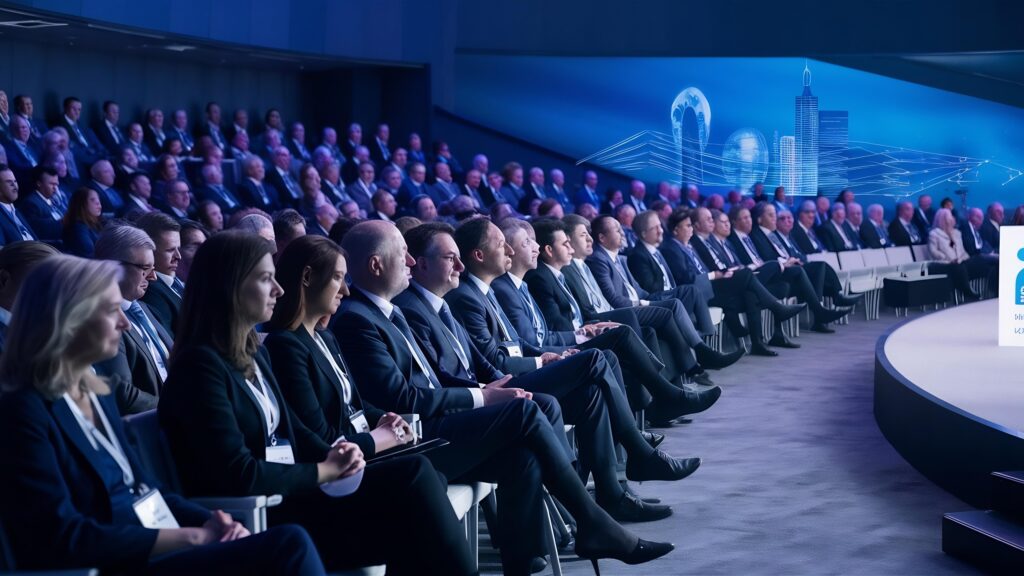
This is the quiet power of conferences in leadership. They pull leaders out of their daily whirlwind and drop them into rooms where the future is being discussed openly, honestly, and with depth you can’t find on a Zoom call or a LinkedIn post.
In a world where industries shift overnight, leaders don’t succeed because they know more; they succeed because they learn faster. And the leaders shaping tomorrow are the ones who choose to step into these rooms today.
Why Is Leadership Changing Faster Than Ever Before?
The pace of change today isn’t just fast, it’s exponential. Entire business models are being reinvented by AI, automation, and shifting consumer behavior. What worked five years ago barely works today, and what works today may not survive the next market cycle.
Leaders are no longer judged only by experience or tenure. They’re judged by their ability to adapt, to think strategically under pressure, and to guide teams through uncertainty with confidence.
The Forces Reshaping Modern Leadership
- Digital disruption has its footprint everywhere, from operations to customer experience.
- AI and data-driven decision-making demand leaders who can interpret insights, not just collect them.
- Global competition means even small shifts in strategy can create massive gaps between winners and laggards.
- Hybrid and remote work require a new level of emotional intelligence, communication, and alignment.
Why Static Skill Sets No Longer Work
The leadership playbook is no longer linear. The traits that defined great leaders a decade ago. Discipline, expertise, and consistency are now joined by new essentials:
- Agility
- Vision
- Cultural intelligence
- Empathy
- Rapid learning
A leader who stops changing his ways quickly becomes a bottleneck. A team mirrors its leader’s pace, and today, teams need leaders who can learn, unlearn, and relearn faster than the environment around them.
Where Conferences Fit In
Conferences in leadership exist because no leader can keep up alone. These gatherings offer something books, courses, and online sessions can’t replicate: real-time insights from people actually steering companies through change.
This is where leaders understand what’s coming next, before everyone else does.
What Real Problems Are Today’s Leaders Struggling With?
Every leader, no matter how proficient, hits a point where the world feels like it’s spinning faster than their decisions can keep up. It’s not about competence anymore; it’s about the sheer velocity of change.
One senior retail executive described it perfectly at a recent event:
“It’s not that I don’t know what to do… It’s that everything is changing before I finish doing it.”
And that’s the reality leaders wake up to today.
Decision fatigue and information overload
Leaders have tons of data. In fact, they’re drowning in it. Every decision demands sorting through dashboards, reports, predictions, and market alerts. The hardest part? Making the right call under pressure, without the luxury of slowing down.
Managing hybrid teams effectively
Teams today aren’t in one single room. They’re scattered across different cities, time zones, and schedules. Therefore, maintaining culture, communication, and accountability has become a daily juggling act.
Building influence in uncertain environments
Markets, technology, and customer expectations, none of them sit still. Leaders must now influence across departments, generations, and even cultures, often without direct authority.
Keeping up with rapid industry shifts
Let it be the AI, automation, sustainability, or new consumer behavior patterns, leaders can’t rely on yesterday’s playbooks. The speed of evolution means falling behind is easier than ever.
How Do Leadership Conferences Bridge These Gaps for Modern Leaders?
For many leaders, conferences have become more than events; they’re resets. A chance to breathe, recalibrate, and absorb what’s coming next before it arrives at their doorstep.
You should think of them as your strategic pit stops: you pull in running on fumes and roll out refueled, recalibrated, and ready to lead again.
Real-world insights from top executives
Hearing how another leader solved the very problem you’re wrestling with today can change your entire perspective. Case studies, fireside chats, and panel discussions offer playbooks you won’t find in textbooks.
Exposure to future-forward strategies and innovations
Conferences bring the future into the room. Emerging tech, disruptive business models, leadership frameworks, and AI-driven decision tools, leaders walk out with ideas they didn’t even know they needed.
Networking that accelerates opportunities
Some of the biggest career moves and partnerships happen in hallways, coffee lines, or breakout rooms. Leaders meet people who challenge their thinking, expand their circle, or unlock doors.
Workshops that sharpen strategic thinking
Hands-on sessions force leaders to practice what they preach, making them stronger, sharper, and more confident in high-stakes scenarios.
Peer problem-solving in real time
When a room full of leaders openly shares failures, lessons, and fixes, the learning becomes exponential. You quickly realize you’re not alone, and that many solutions already exist.
Also Read: What Professional Networking Sites Teach Us About Modern Leadership Culture
How to Choose a Leadership Conference That Matches Your Goals?
You can start by identifying what you want to improve: strategic thinking, team leadership, communication, or innovation. Clarity helps you filter out events that don’t align with your growth path and focus only on conferences that move you toward your long-term leadership vision.
Evaluate the Speaker Lineup
Look closely at who’s on stage. Conferences led by CEOs, founders, researchers, and industry disruptors bring real-world perspective, not just theory. The credibility and experience of the speakers will determine the practical value you walk away with.
Check Agenda Depth and Workshop Quality
A strong leadership conference doesn’t just offer keynotes; it offers hands-on sessions, breakout rooms, and scenario-based workshops. You should ensure the agenda includes sessions that challenge your thinking, sharpen your decision-making, and help you practice new leadership models.
Assess Networking Opportunities
Leadership growth accelerates when you’re surrounded by the right people. Look for conferences that attract executives, innovators, and industry leaders, places where conversations spark new ideas, partnerships, and opportunities.
Consider Post-Conference Support or Resources
The best conferences continue supporting your growth even after the event through toolkits, follow-up material, online communities, and ongoing mentorship access. This ensures what you learn doesn’t fade; it compounds.
What Makes CEO Live the Most Action-Driven Leadership Experience Today?
Nowadays, when leaders are overwhelmed with frameworks, trends, and strategies, CEO Live stands out as a conference built for one purpose: closing the gap between knowing and doing. It’s where senior leaders don’t just learn new concepts; they pressure-test real decisions, engage with high-performing peers, and walk away with frameworks they can implement the next morning.
Why CEO Live Matters for Modern Leaders
At CEO Live, leadership isn’t discussed in theory. It’s dissected, challenged, and rebuilt through real business scenarios. Executives participate in immersive sessions designed to sharpen judgment, strengthen communication, and accelerate strategic clarity. Instead of passive keynote listening, leaders actively reshape how they think, decide, and execute.
What Leaders Get From the Experience
Leaders leave CEO Live with practical, actionable tools, decision-making frameworks, crisis strategies, communication models, and team-performance insights shaped by real-world environments. More importantly, they walk away with new relationships, mentors, and perspectives that elevate how they lead their people and their organizations.
End Note
Leadership isn’t a box you check once. It’s a practice you refine every time you show up, listen deeply, and let yourself be challenged by new ideas. The real magic happens at conferences, where stories are shared, hard questions are asked, and even the most experienced leaders walk away changed.
These gatherings offer more than fresh ideas and strategies. They connect you with people who have walked in your shoes and are eager to share what they’ve learned. If you want to lead with clarity, build teams that trust you, and keep pace with a changing world, investing in your own growth isn’t just important; it’s what sets you apart.
So take your growth seriously. Find the leadership conference that feels right for you, step into rooms filled with people who challenge and inspire, and keep shaping the kind of leader you’re proud to become.